
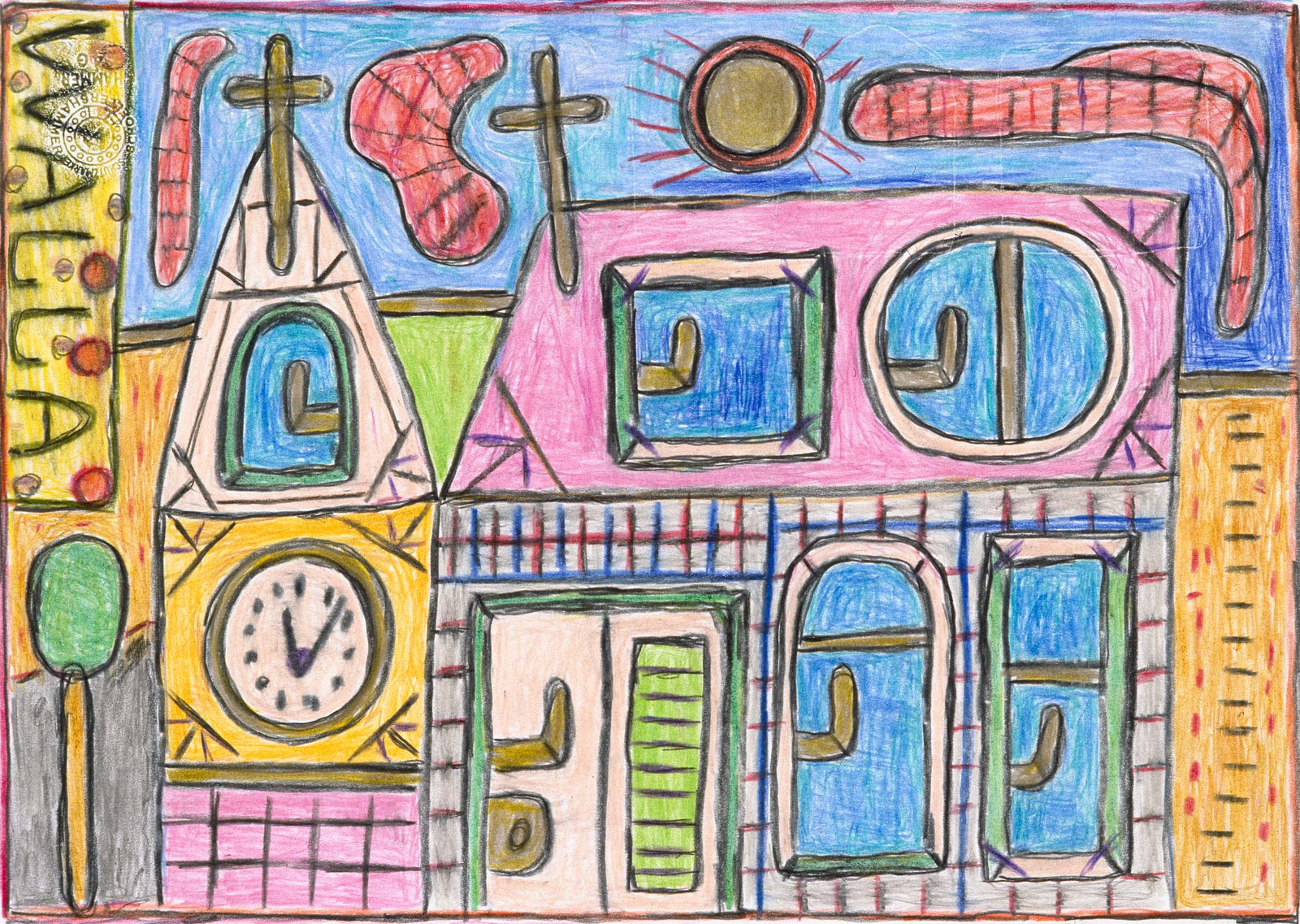

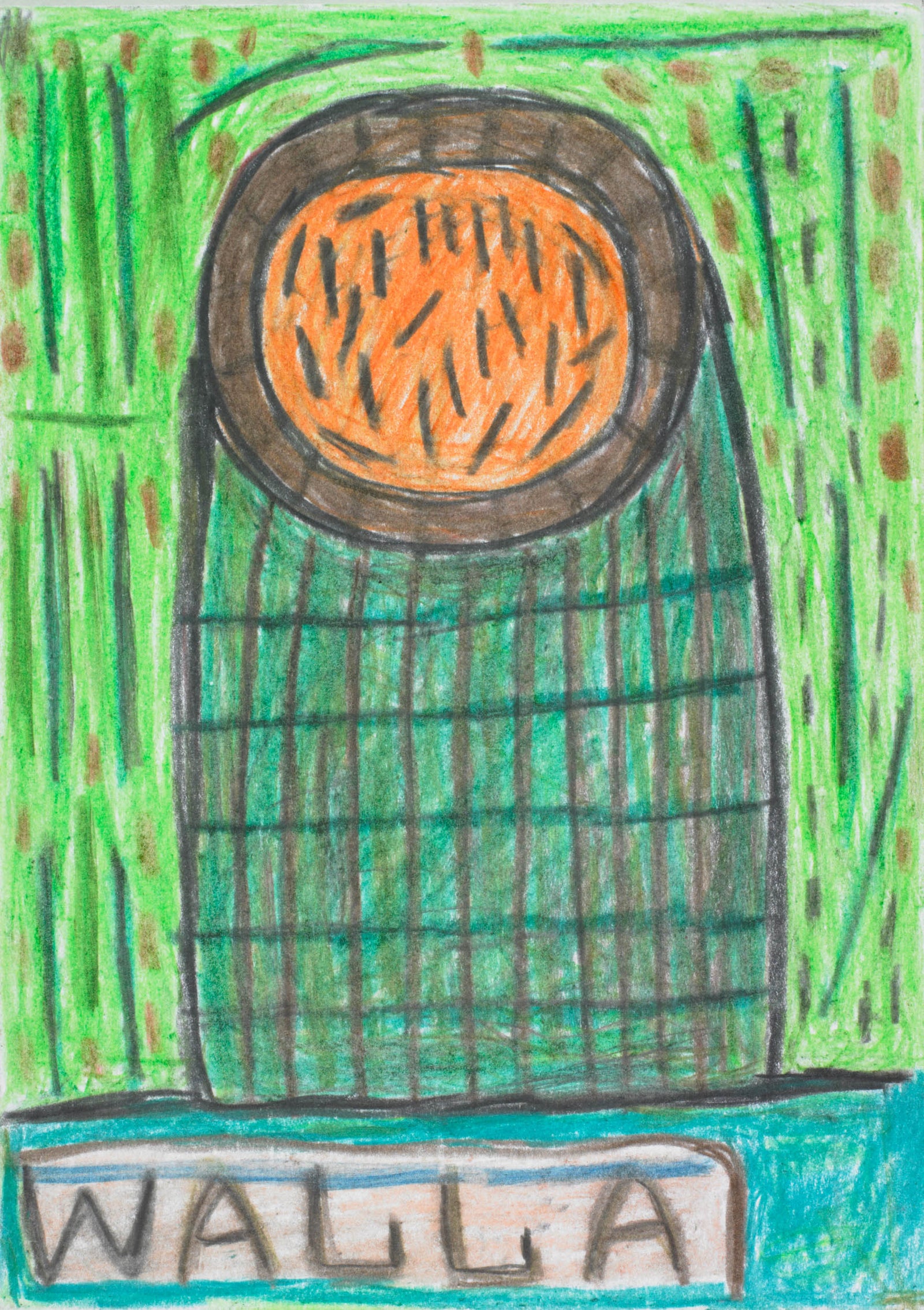

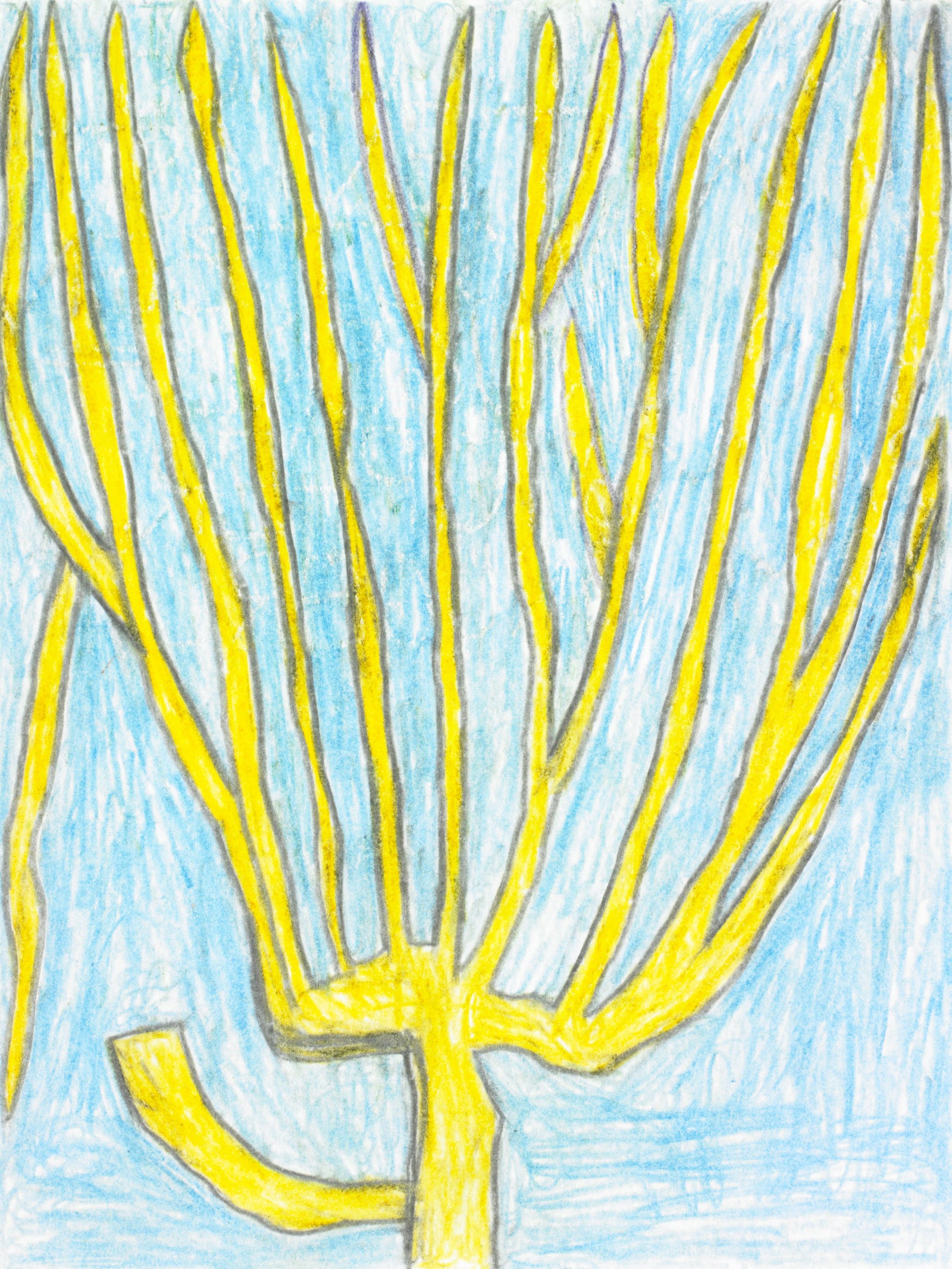

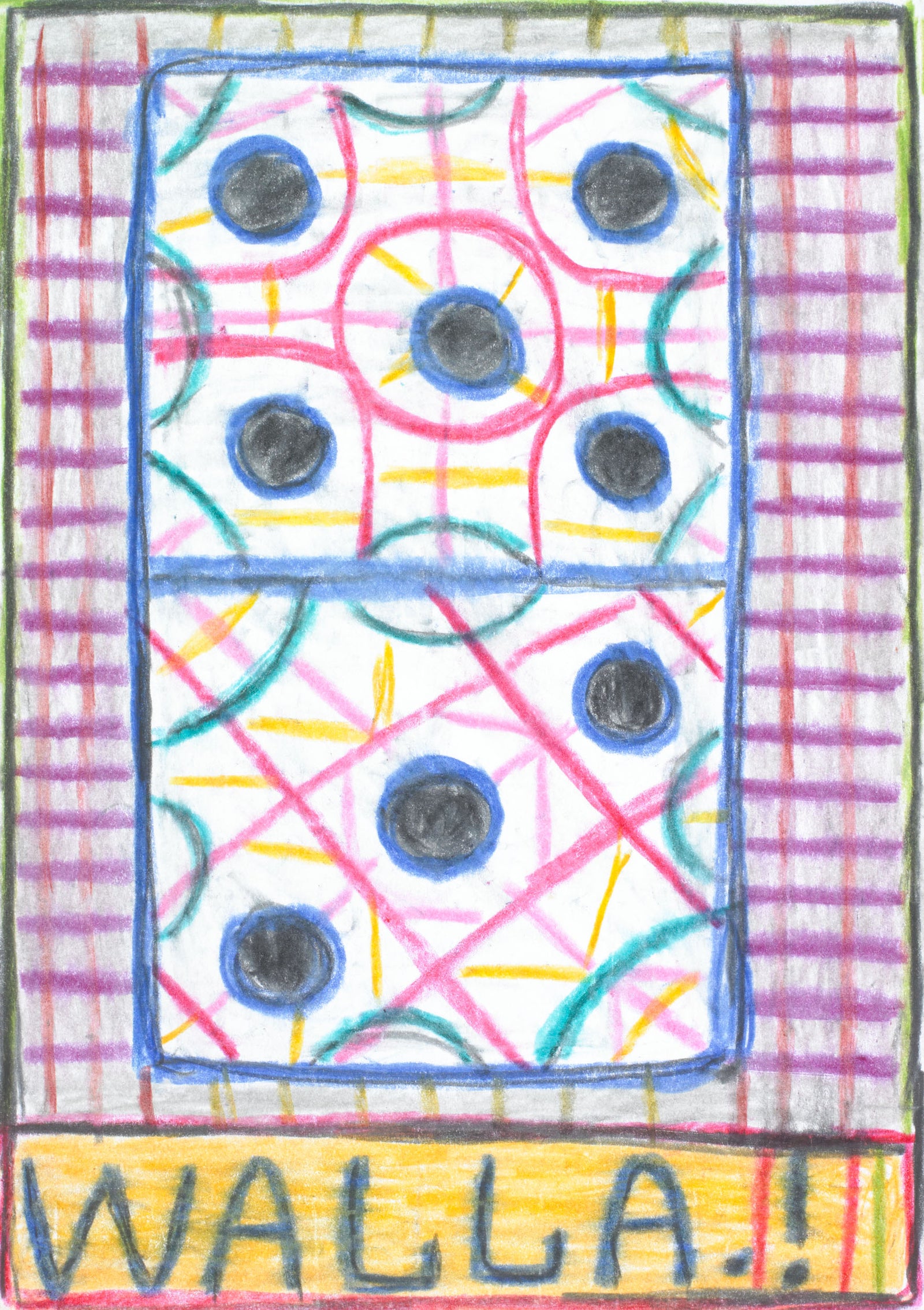

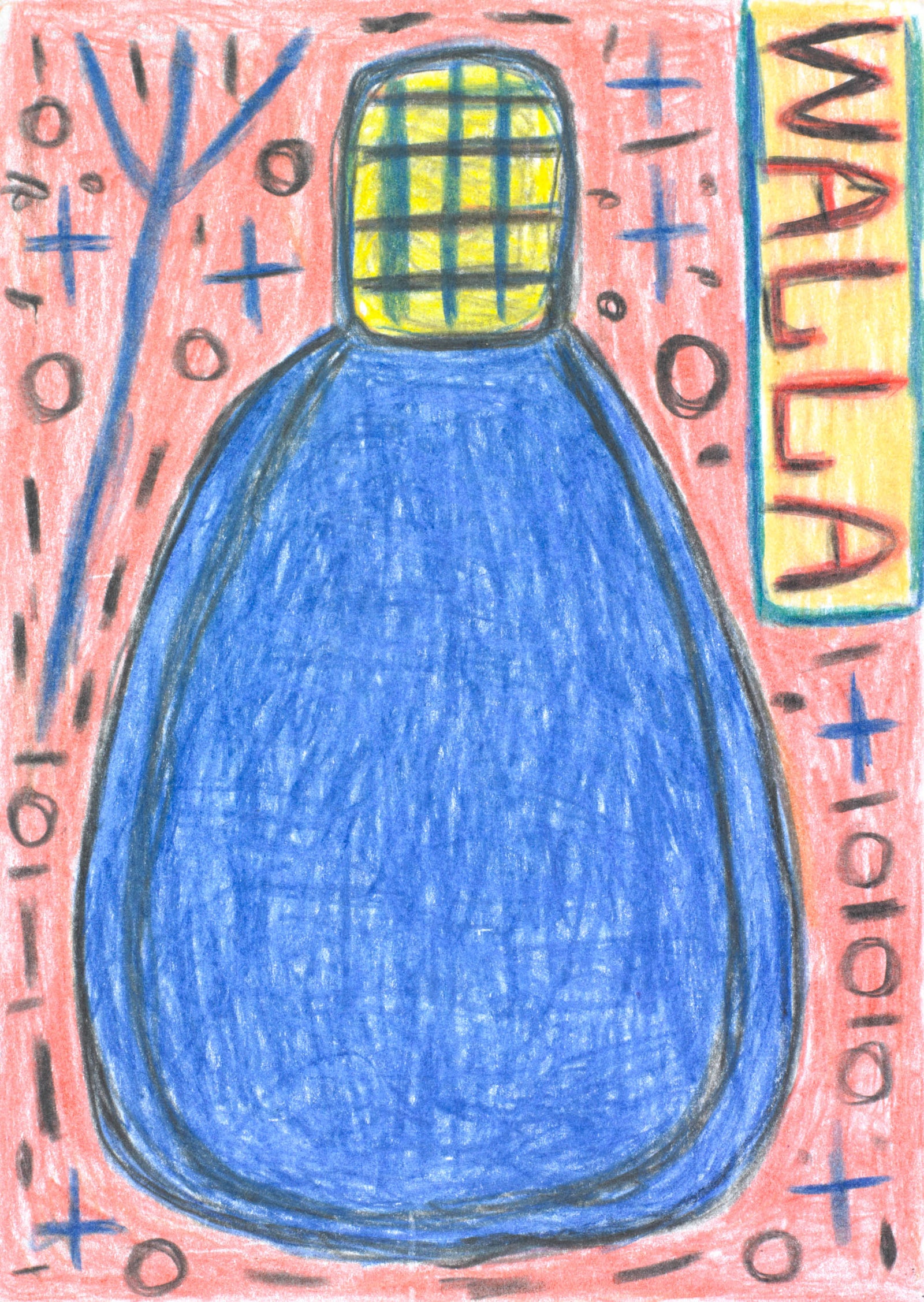


There is a particular kind of recognition that only time can give. August Walla did not receive much of it while he was alive. Born in Klosterneuburg in 1936, he spent much of his life considered an outsider, a word that followed him for reasons that had little to do with his art and everything to do with the way society chose to see him. He died in 2001, aged 64, having spent decades making work of extraordinary density and originality that the world was still learning to understand.
In 2026, twenty-five years after his death and in what would have been his 90th birthday year, the City Museum of Klosterneuburg is dedicating a memorial exhibition to him. The title comes from Walla himself: Klosterneuburg is my most beautiful paradise.
That line says everything about the man and his relationship to this place.
A mind that built its own world
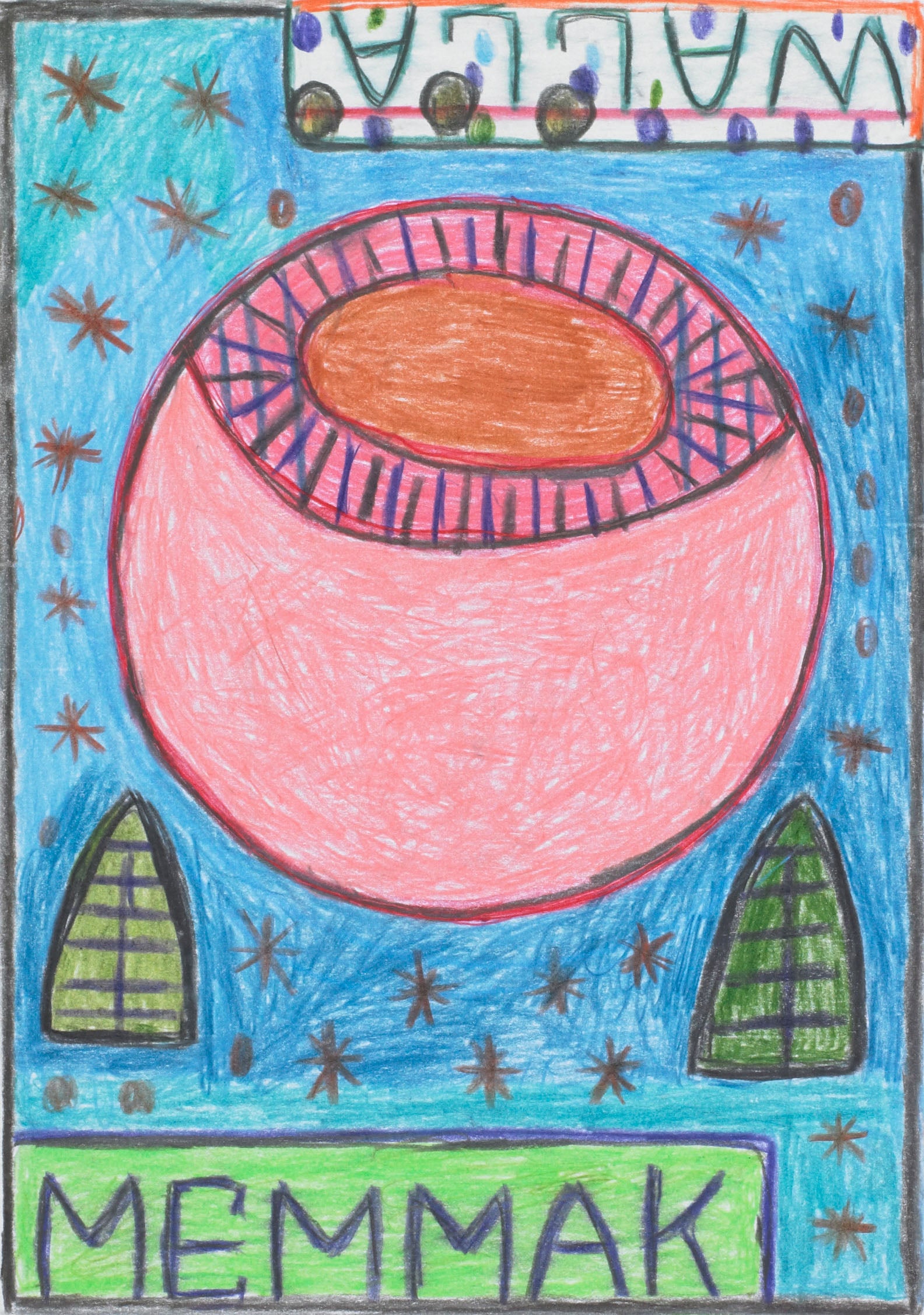
Walla's work is immediately recognisable and genuinely impossible to categorise. He covered surfaces with dense script, invented his own gods and mythologies, painted with a directness that had no interest in convention and no need for it. His visual language was entirely self-generated. He drew on religious iconography, personal symbolism, invented alphabets, and a cosmology that was his alone. The result was an oeuvre that scholars, collectors, and institutions have spent decades trying to fully account for.
He lived and worked at the House of Artists in Gugging, part of the community that Leo Navratil founded and that Johann Feilacher later transformed into the Art Brut Centre that exists today. Gugging gave Walla stability, community, and the freedom to work. But Klosterneuburg was always home in a deeper sense. His letters and photographs, which sit at the heart of this exhibition, make that clear. He wrote about the town with genuine tenderness. He returned to it in his imagery. It was not simply the place he came from. It was the place he carried with him.
From the margins to the museum
The arc of Walla's recognition follows a pattern that is familiar in Art Brut: misunderstood or overlooked during a lifetime, then gradually understood, then essential. His works are now held in significant public collections internationally, including the Collection de l'Art Brut in Lausanne, one of the world's foremost institutions for this field. His work was featured prominently in the anniversary exhibition at museum gugging earlier this year, with loans arriving from Lausanne specifically for the occasion. A 90th birthday year does not go unnoticed when the artist has become this important.
The City Museum of Klosterneuburghas a long and warm relationship with galerie gugging and the broader Gugging community. That relationship is built on a shared belief in the importance of this art and these artists, and on a genuine connection to the place they all share. This exhibition is a product of that relationship, and it is the kind of project both institutions care about for the right reasons.
Why this exhibition matters
A memorial exhibition in an artist's hometown, built around his own letters and photographs, is not the same as a retrospective in a major institution. It is something more intimate. It is the town saying: we see you now, and we are proud you were ours.
For anyone who has spent time with Walla's work, that feels right. He was always writing to be read, painting to be seen, reaching outward from a world that was entirely his own. The fact that Klosterneuburg is now reaching back, twenty-five years on, is the kind of recognition that means something.
The exhibition opens October 17, 2026 at the City Museum of Klosterneuburg and runs until January 31, 2027.