






Inside Galerie Gugging: Where Mental Health and Art Intertwine
There is a kind of art that doesn’t ask for permission. It doesn’t try to impress with theory, fashion, or market polish. It emerges from a place of necessity, a compulsion to create that defies logic, training, or tradition. This is Art Brut: raw, unfiltered, and profoundly human.
For many, this may be your first introduction to both Art Brut andgalerie gugging. Let us begin by saying this: we do not view our artists through the lens of limitation. They are not defined by their challenges; they are celebrated for their brilliance. Yes, some of our artists live with mental health conditions or neurodivergent experiences. But this is not the focus. It is merely part of the context that allows their vision to shine through with striking clarity. What matters most is their talent. Their refined, focused ability to express emotion, rhythm, and form in ways that often transcend what we expect from art.
Importantly,galerie gugging represents two interconnected but distinct groups of artists. Many are creators of Art Brut, often living or having lived in psychiatric institutions, working from a deeply internal, instinctual place. Others are self-taught artists who may not live with psychological challenges, but still create independently of art schools or market conventions. These artists, too, produce work that is raw, honest, and born of life experience rather than theory. They lead full, independent lives, yet their practice remains profoundly personal and intuitively guided. Both groups reflect a commitment to authenticity that defies categorisation.
At galerie gugging, we don’t believe in separating creativity from complexity. Instead, we hold space for both. We recognise that lived experience, whatever form it takes, can lead to some of the most emotionally intelligent and psychologically rich artwork of our time. And we invite you to see it for yourself.
Here, mental health isn’t a backdrop; it’s the centre of gravity. Art isn’t polished to please; it’s raw and radiant. For those seeking a deeper connection to art or something emotionally intelligent, psychologically rich, and entirely unique,guggingoffers more than just an experience. It offers a way of seeing.
Art Brut is raw, uninfluenced, and unapologetically honest; it occupies a unique space in the dialogue around mental health. Coined by Jean Dubuffet in the 1940s, the term refers to art made outside traditional culture: often by individuals in psychiatric care, those on the social margins, or artists working in profound isolation. But these creators are not outliers to be pitied; they are visionaries whose work offers rare access to the human psyche.
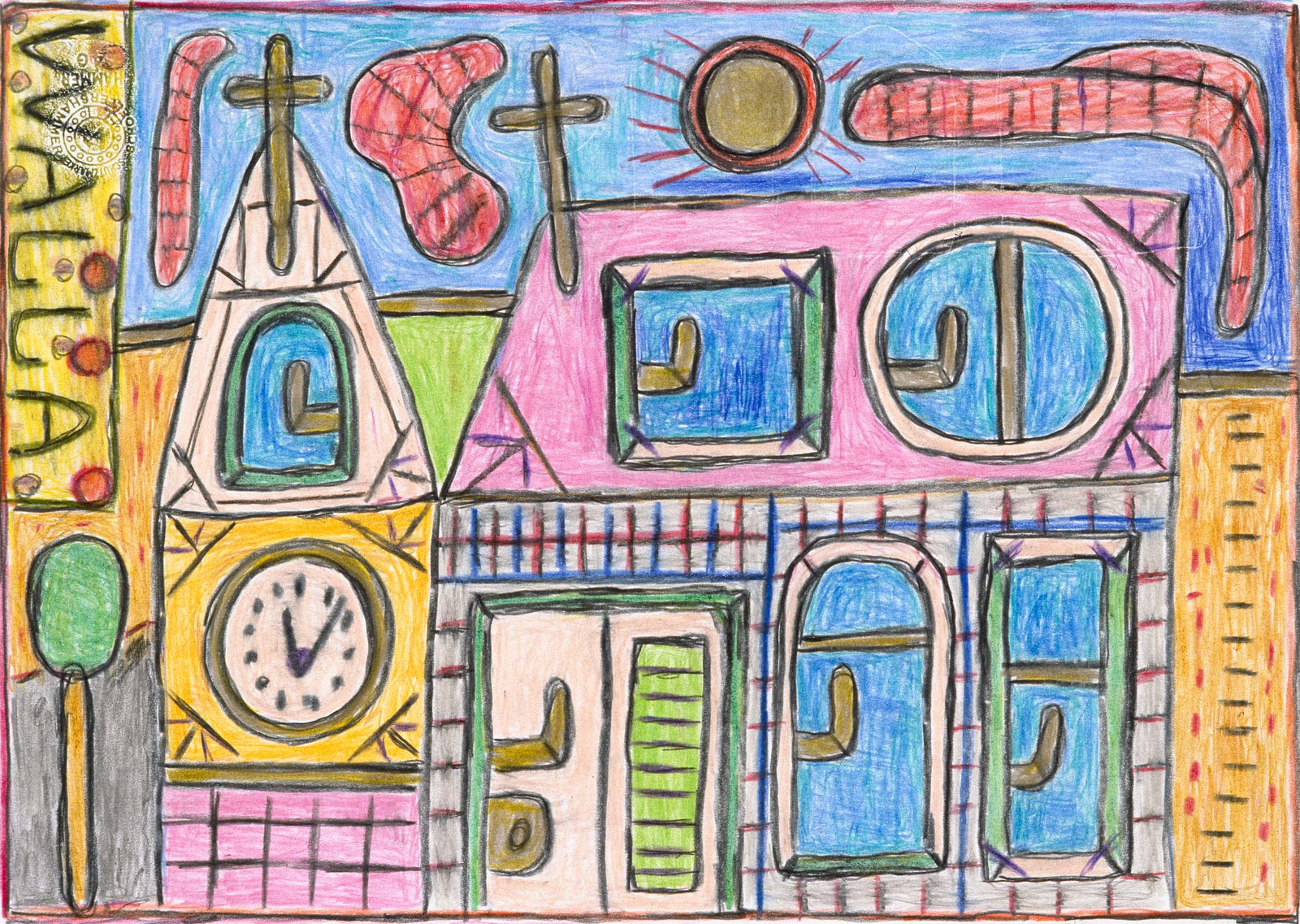
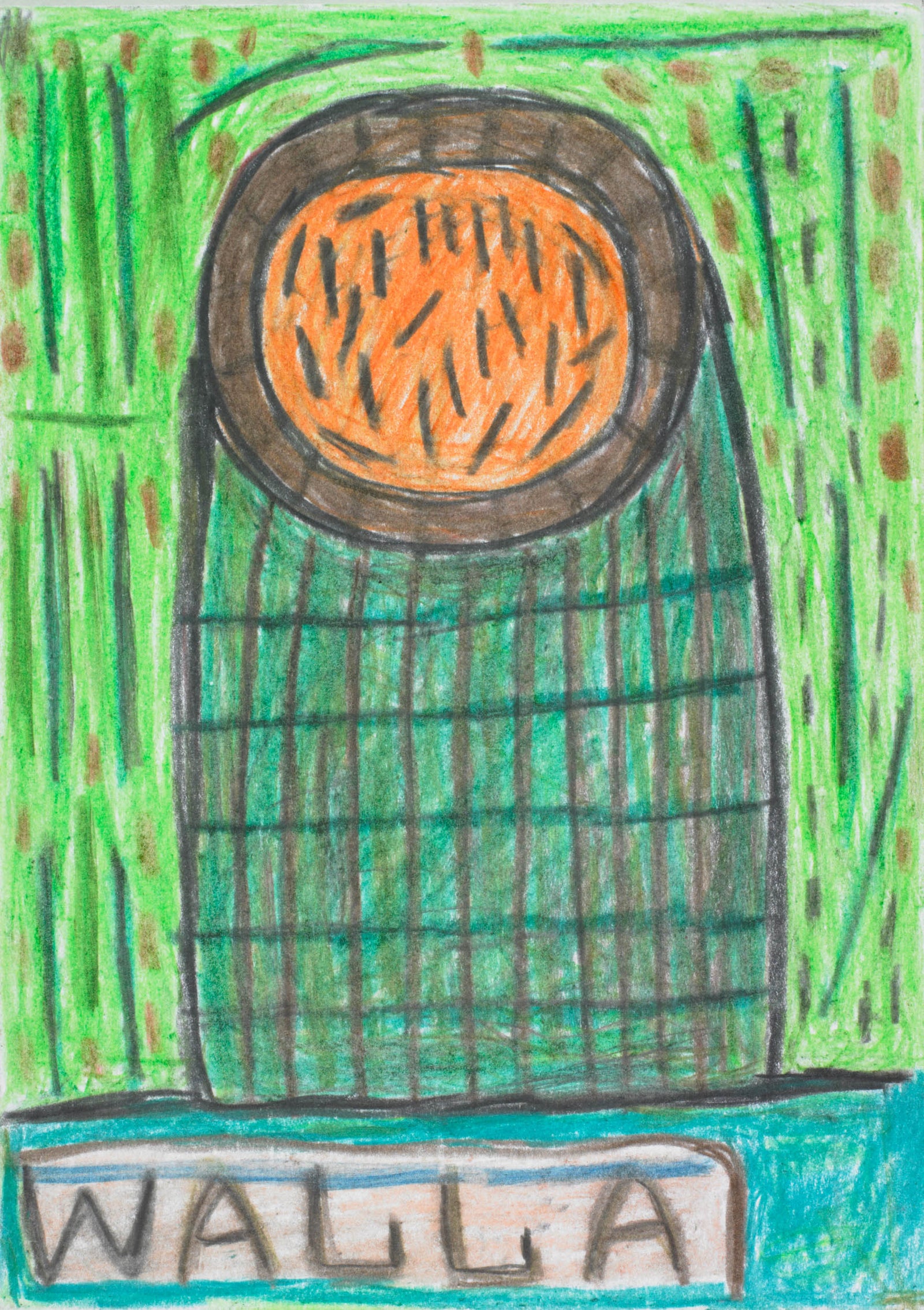
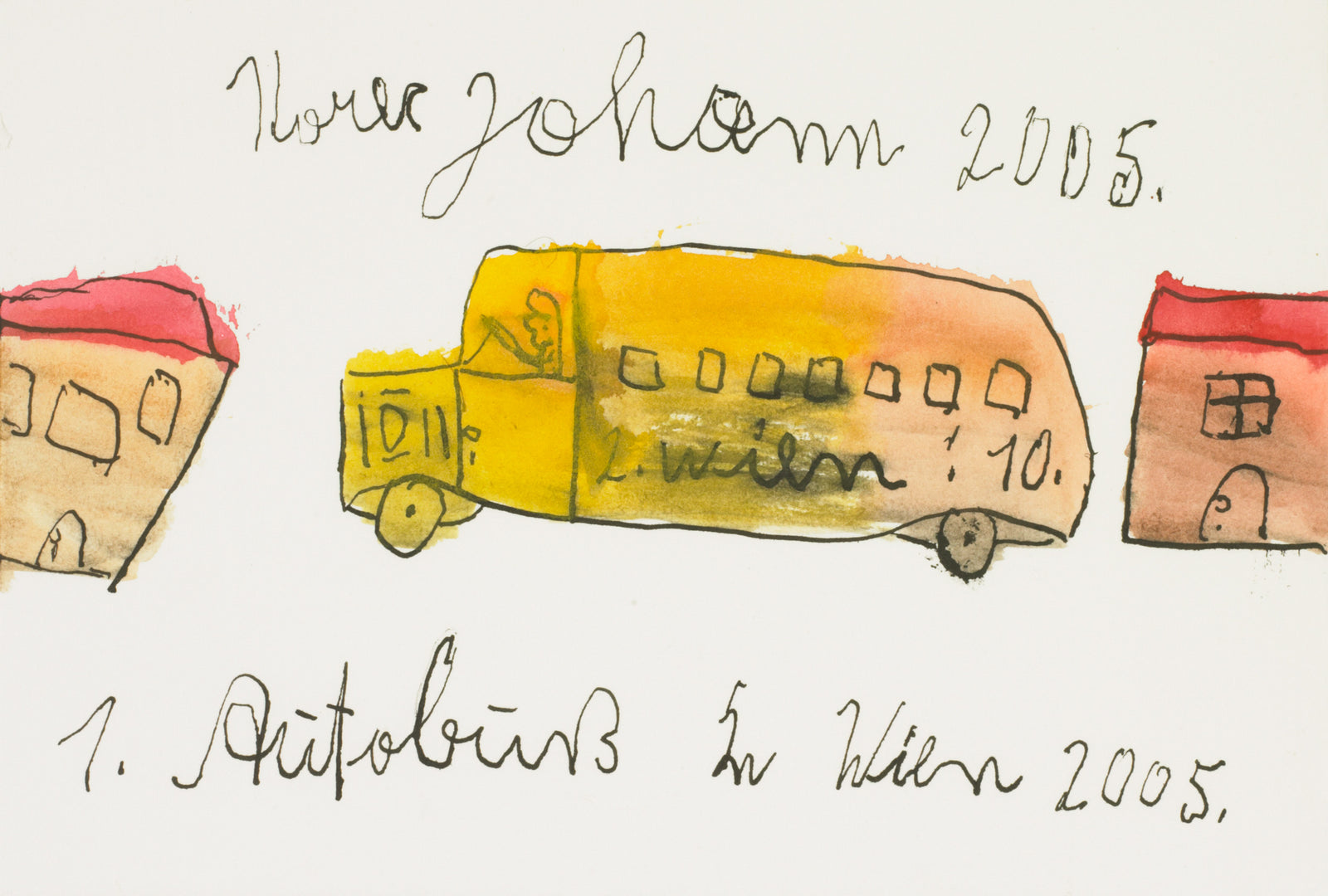
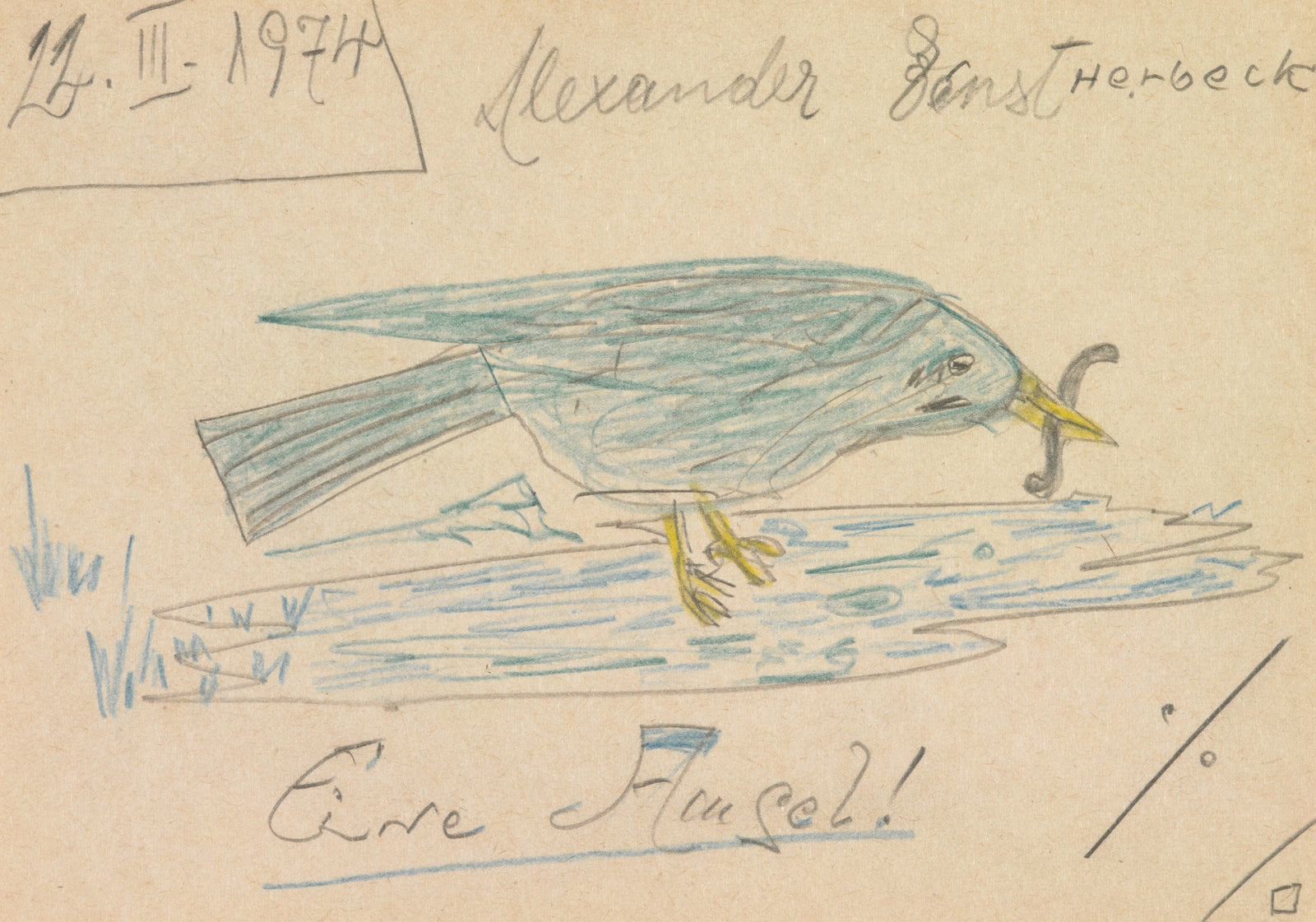
Atgalerie gugging, many of our represented artists live or have lived in psychiatric institutions. Their art is not a response to art history or market demand; it emerges from an internal drive to create, to externalise emotion, and to construct personal meaning. These are not therapeutic scribbles or passing gestures. They are complex, refined works built from repetition, restraint, and obsessive clarity. In their hands, drawing becomes ritual. Form becomes freedom.
This emotional depth and psychological complexity challenge the mainstream art world's conventions. But for young collectors and those who are emotionally literate, values-driven, and seeking more than visual décor, Art Brut offers an honest, human connection. It’s not about shock value or outsider status. It’s about truth.
For those curious to begin their own journey into this world, the next question is often: how do I start?
How to Start Collecting Art That Speaks to the Mind and Soul
Art collecting isn’t just about acquiring beauty, but it’s about building a personal relationship with objects that move you. For new collectors, especially those drawn to emotion, psychology, and authenticity, Art Brut offers a compelling entry point.
Unlike conceptual art or traditional painting, Art Brut is often created by self-taught artists working from compulsion, intuition, and lived experience. Many of these artists don’t consider themselves part of the “art world.” Their work isn’t shaped to please; rather, it exists because it must. And in that necessity lies incredible power.
So, how can you begin collecting Art Brut? Start with what speaks to you. Look for works that make you feel something before you understand it. Don’t worry about following trends. Many Art Brut artists have developed entire visual languages of their own. Ask yourself: What does this artwork evoke? What do I keep returning to?
And finally: buy with both your eyes and your heart. Many works from Gugging’s artists are surprisingly accessible in price, and increasingly sought after by major collectors and institutions. To own one is to invest not only in a valuable artwork, but in an artist whose voice refuses to be silenced.
The decision to collect Art Brut is often an emotional one, but it’s also an aesthetic and intellectual one. It brings us closer to the raw instinct of creation, the delicate threads of mental complexity, and the beauty of unfiltered vision.
And there’s no better place to witness this than in the gallery itself.
Inside galerie gugging – A Place of Exceptional Creativity
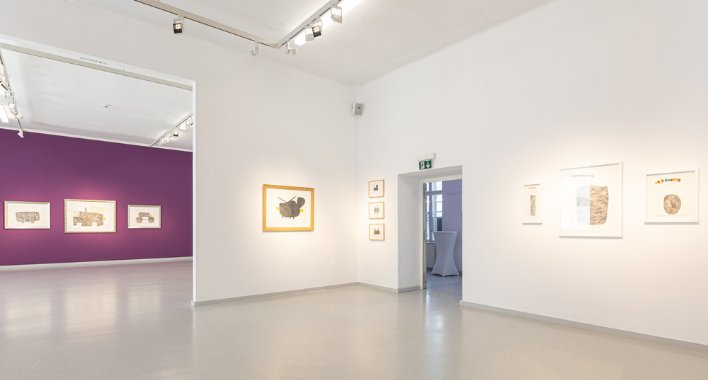
Tucked away on the outskirts of Vienna,galerie gugging isn’t your typical white cube. It shares a campus with the House of Artists, a former psychiatric hospital turned living studio where some of the world’s most celebrated Art Brut creators live and work.
Stepping into the gallery feels less like visiting a showroom and more like entering a sanctuary. Walls pulse with rhythm. Drawings hum with obsessive precision. Every line, every colour, carries a kind of private urgency like a language spoken directly to the viewer’s nervous system.
galerie gugging is one of the few places in the world dedicated entirely to Art Brut, not as a niche or novelty, but as a serious and vital force in contemporary culture. Here, mental health isn’t a footnote in the biography; it’s the foundation. It shapes the art, informs the voice, and deepens the value.
This approach resonates strongly with a new generation of art lovers and collectors who are looking for depth, not spectacle; meaning, not just aesthetics.
And yet, in some corners of the art world, discomfort lingers.
Is It Still Taboo? The Uncomfortable Truth About Mental Health and the Art World
For all its talk of innovation and inclusion, the contemporary art world still struggles to integrate mental health into its core narratives. While artists with psychological differences are sometimes celebrated, they are just as often sensationalised, sidelined, or reduced to their diagnoses.
Art Brut complicates this picture. It is both deeply personal and defiantly public. Its creators, many of whom live with schizophrenia, autism, or other conditions, are not making art about mental illness. They are simply making art. And that distinction matters.
Atgalerie gugging, we’ve seen firsthand how difficult it can be to shift perception. Some visitors are moved to tears; others question whether the artists “know what they’re doing.” But that very discomfort is the point. It challenges us to rethink authorship, intention, and what we value in art.
Young, socially conscious collectors are increasingly asking these questions and finding powerful answers in Art Brut. This is not art in spite of mental health. It’s art that exists because of it. And it’s time we stopped looking away.
In a culture craving authenticity, Art Brut offers one of the clearest, most honest reflections of human experience.galerie guggingdoesn’t just exhibit art, it holds space for raw expression, mental complexity, and the defiant act of creation without permission.
If you're seeking artworks that go beyond the surface, art that invites reflection, dialogue, and emotional connection, this is where to begin. And once you begin, you may never see art the same way again.