






There is a moment when you realise that what has been quietly growing in a small village outside Vienna has been changing the world.
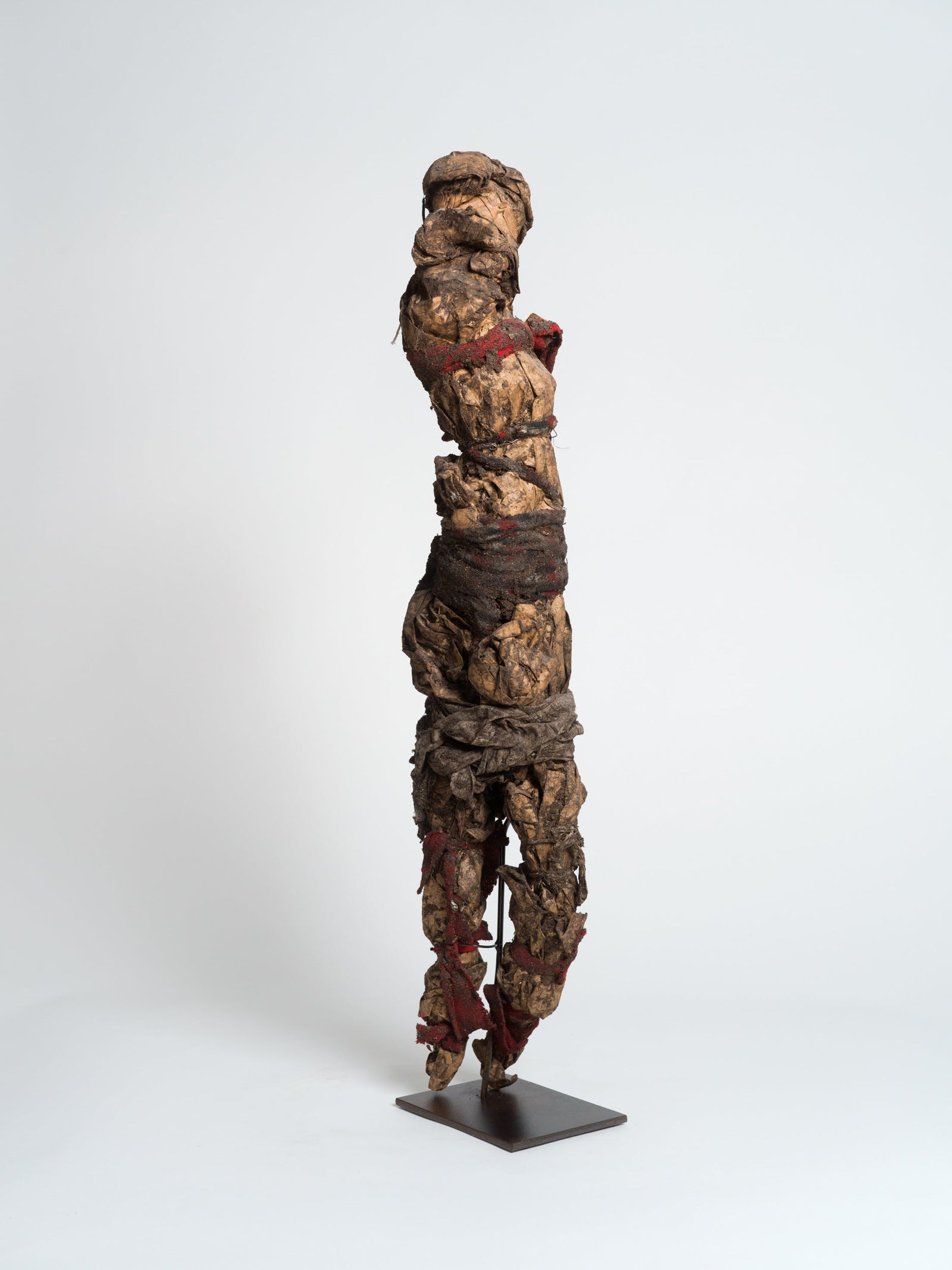
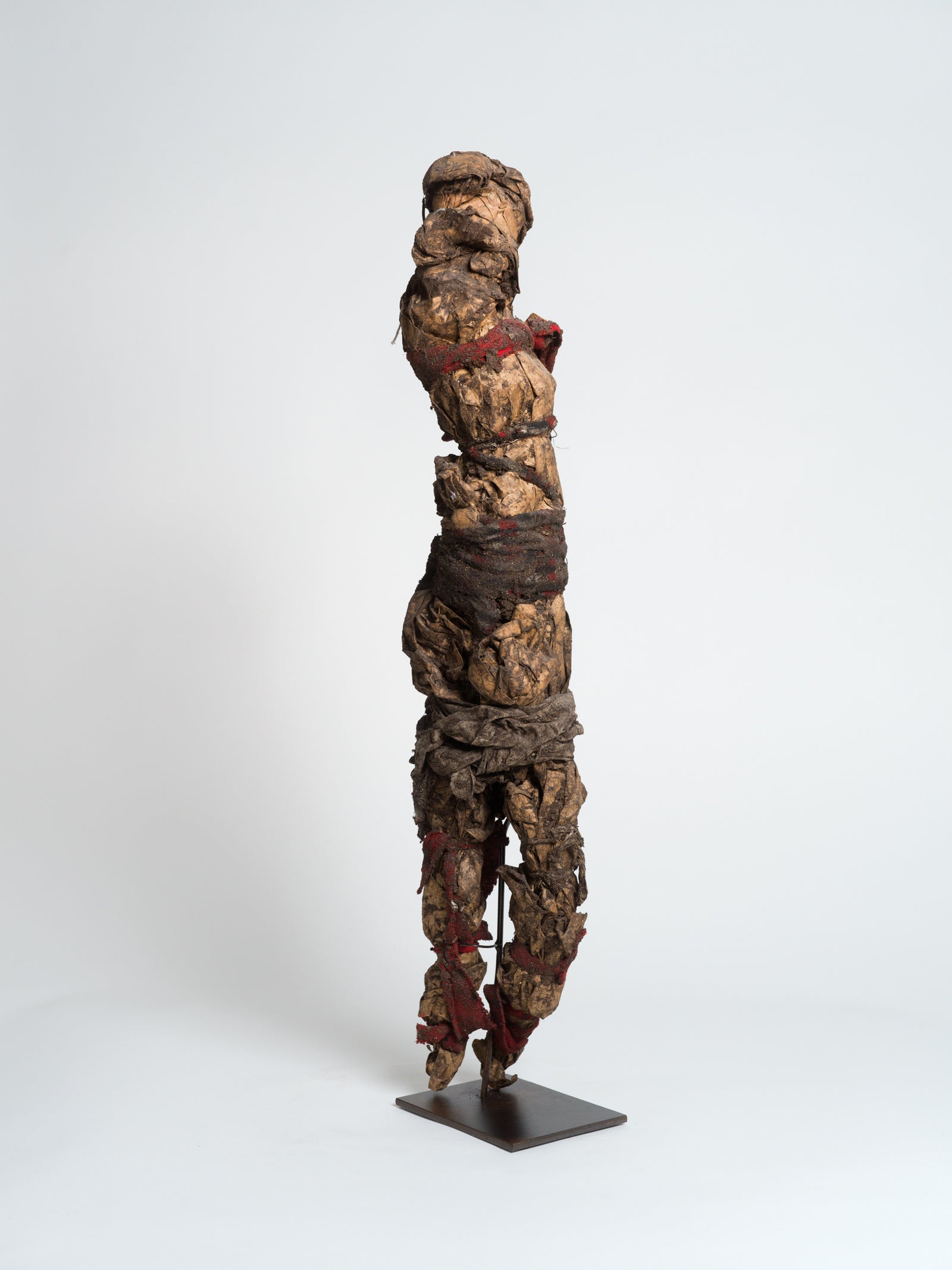
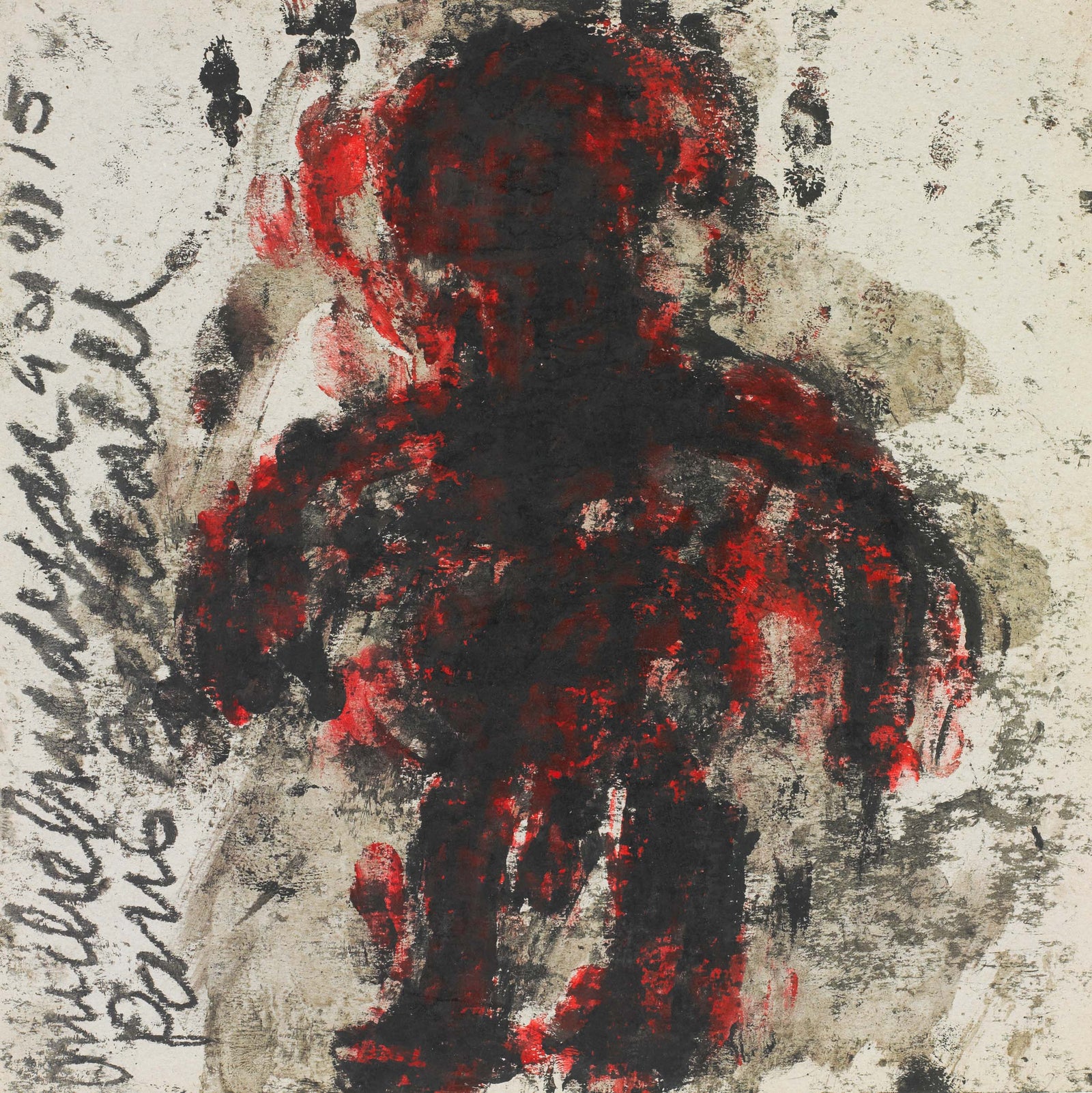
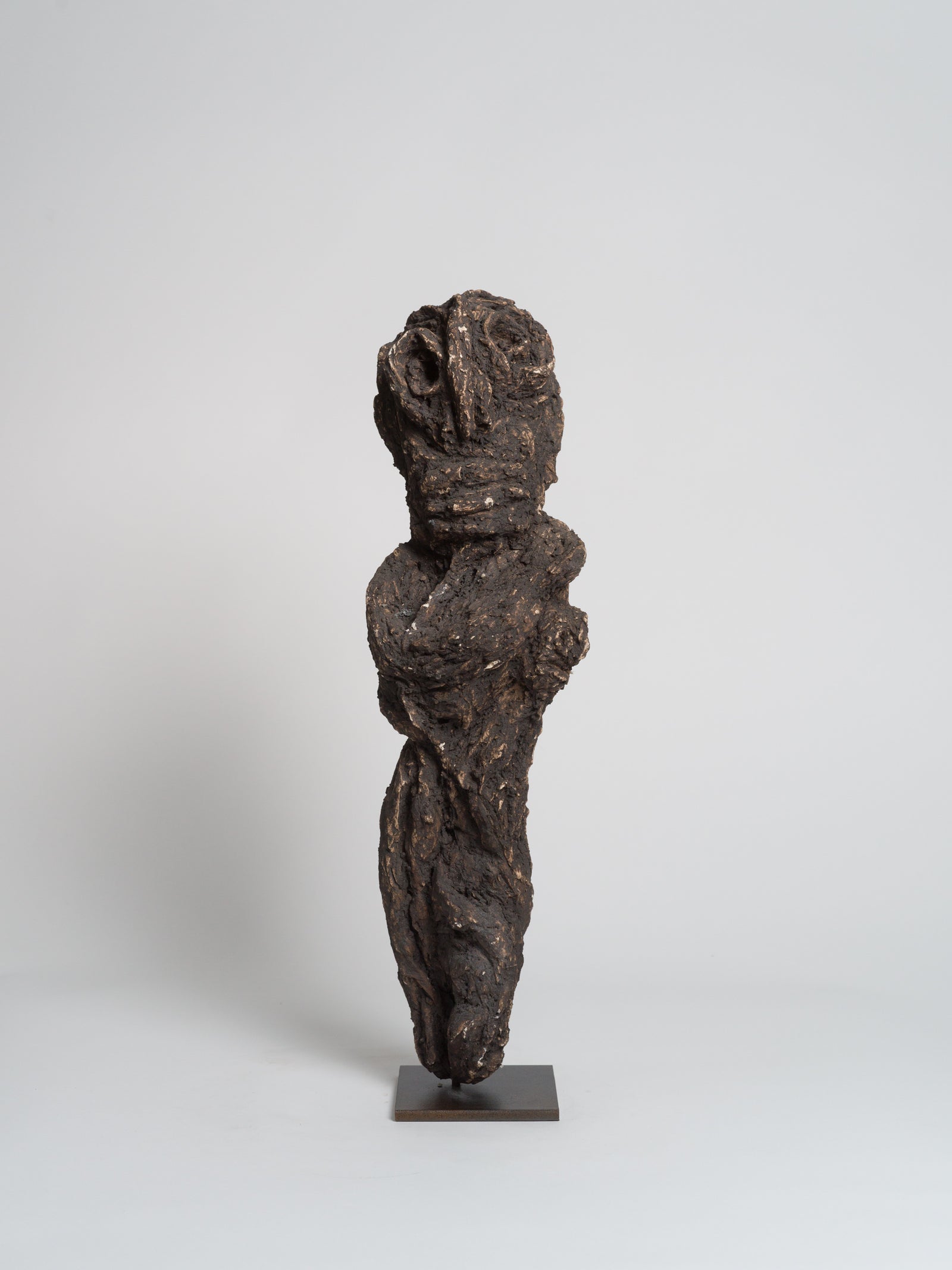
This month, MoMA in New York screens Capitale-paysage, a 1982-83 film by Michel Nedjar. Shot on Super 8 over more than a year of wandering the streets of Paris, the film is raw, embodied, ecstatic. Nedjar describes filming as sculpture, as losing himself completely in matter and sensation. It is the same impulse that drives his visual work, the same hunger for contact with the real that has made him one of the most singular artists of his generation.
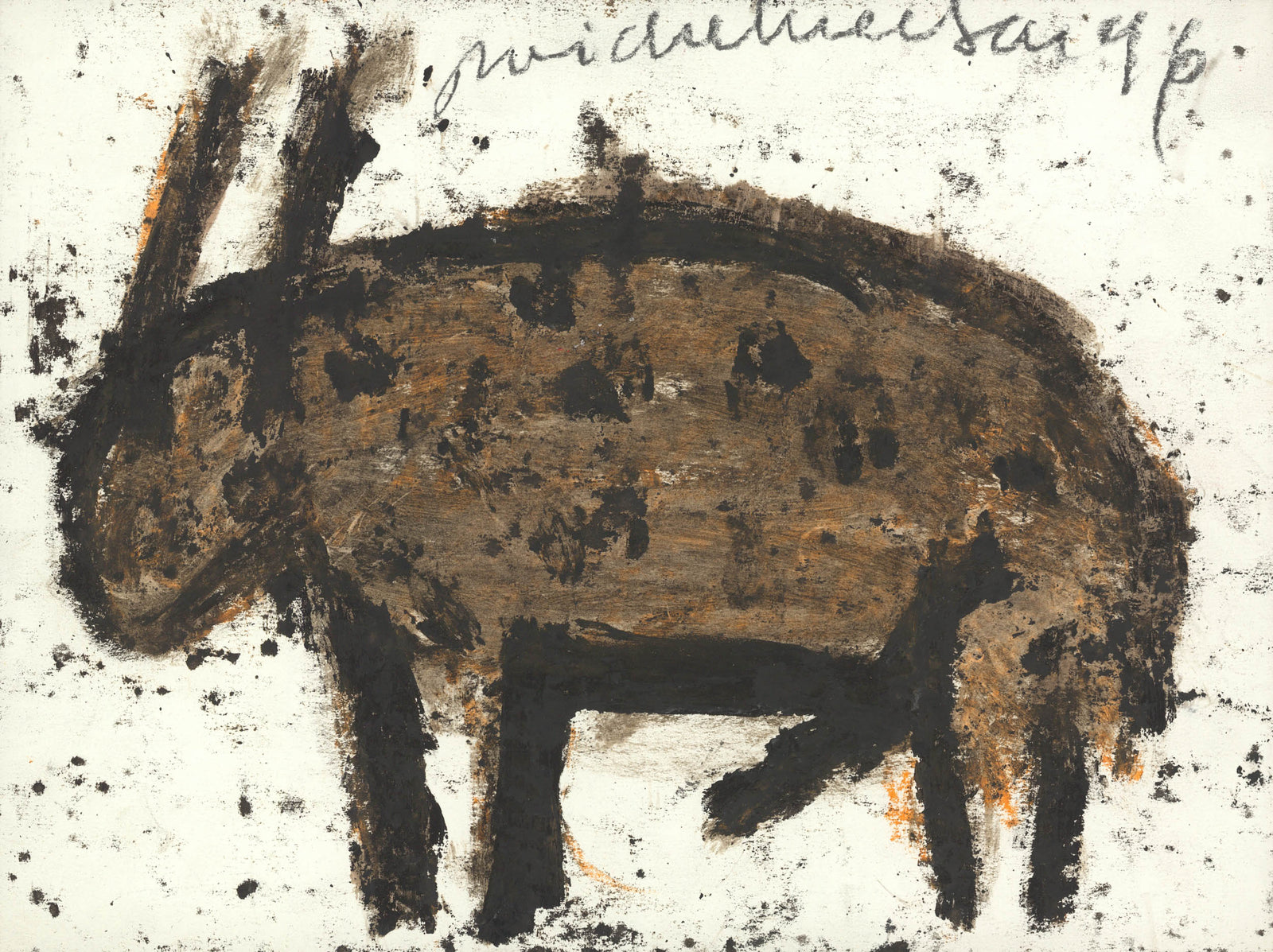
Michel Nedjar is an artist woven into the DNA ofgalerie gugging.
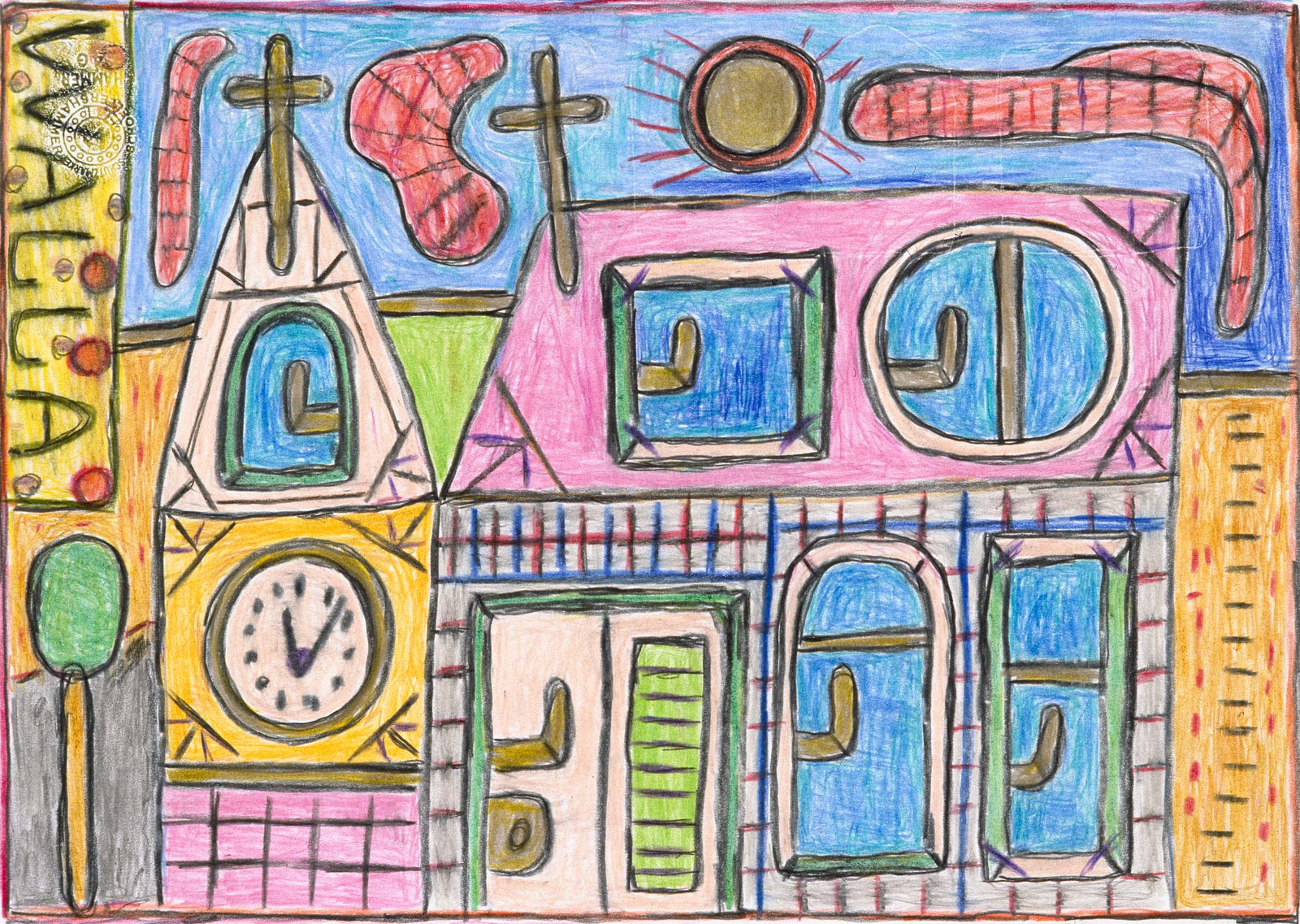
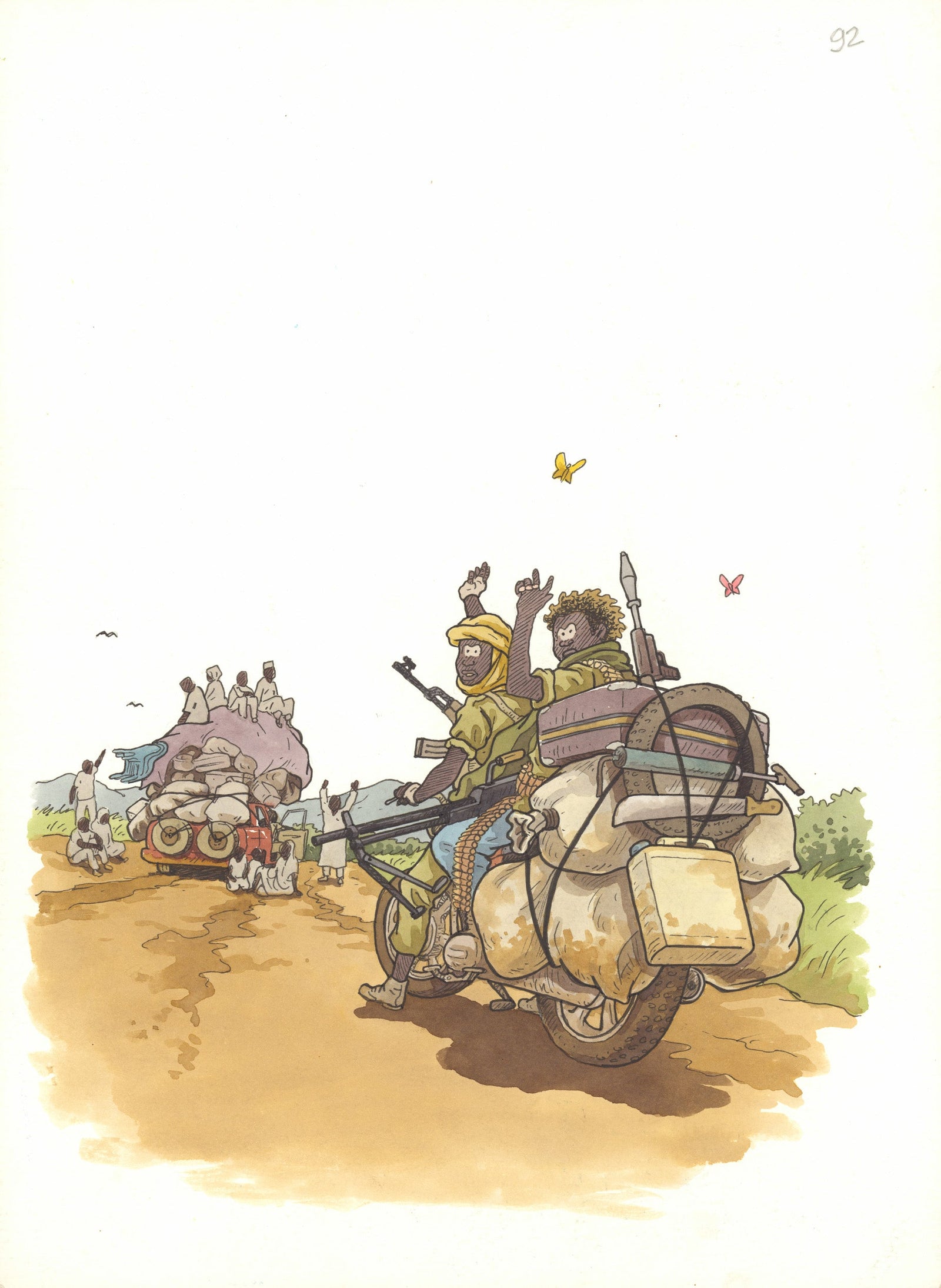
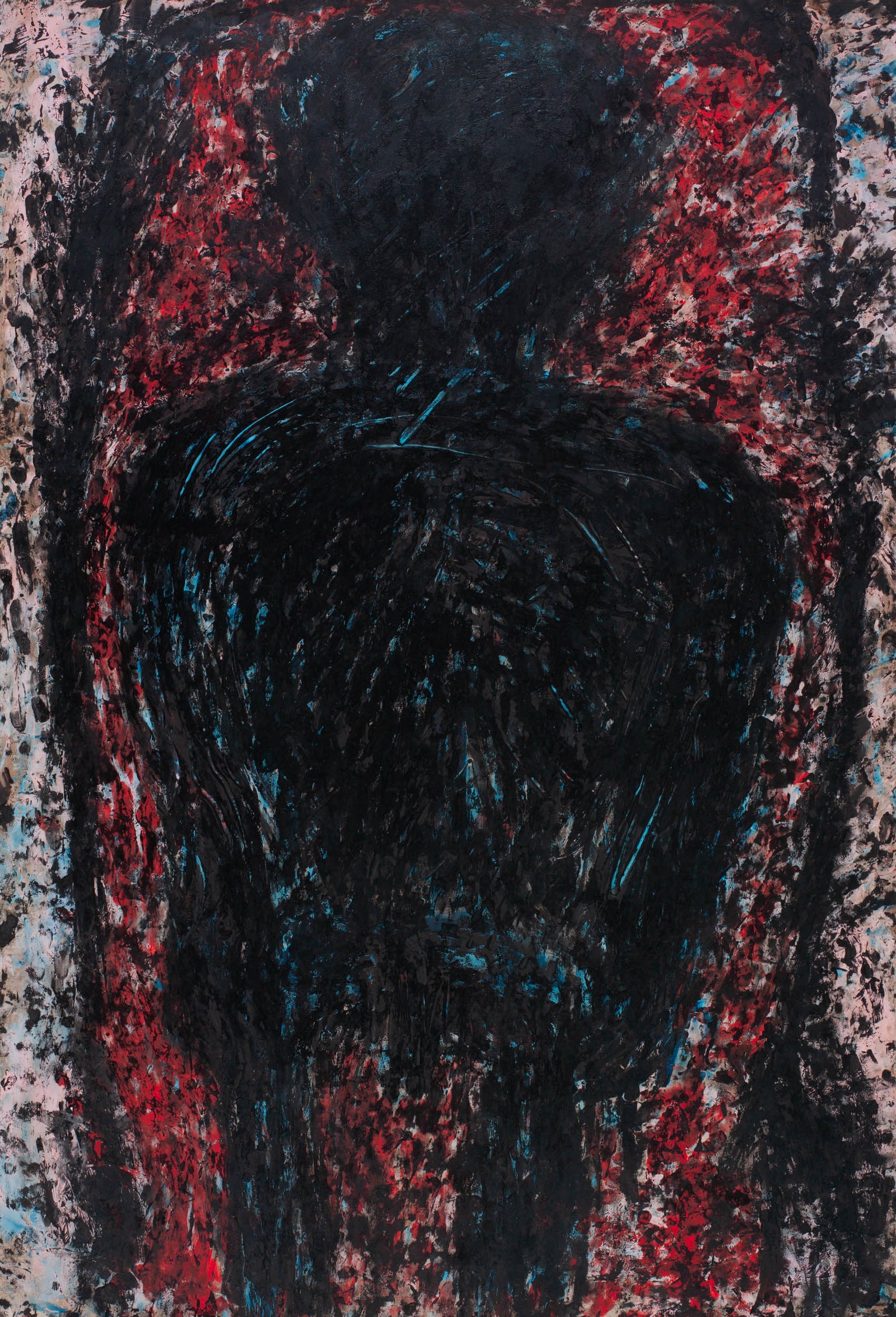
He is not alone at MoMA. Leopold Strobl is held in MoMA's permanent collection, and works by August Walla and Oswald Tschirtner entered the collection as far back as the 1980s. Four galerie gugging artists. One of the most important museums in the world. This is not a coincidence. It is the result of over thirty years of sustained, deliberate work.
What Gugging actually is
galerie gugging is not simply a gallery. It is an ecosystem. It was built, over decades, on a single conviction: that art made outside the mainstream, outside formal training, outside the institutions that decide what counts and what doesn't, is not marginal art. It is essential art.
The artists who have come through Gugging, lived at Gugging, worked at Gugging, have not made work in isolation. They have worked side by side, in each other's company, in a shared studio where proximity becomes its own kind of nourishment. Each artist follows their own formal inner language, their own vision, their own necessity. And yet something passes between them simply through presence, through years of making together in the same room.
That decision shaped careers. It shaped bodies of work. It created the conditions for artists to develop over years and decades rather than being consumed and discarded by a market looking for novelty.
Why this matters now
Art Brut and self-taught art are no longer footnotes in contemporary discourse. They are central to it. The most important collectors, curators, and institutions in the world are now looking seriously at work that was once dismissed. The market has followed. The cultural conversation has shifted.
galerie gugging has been here for all of it, and ahead of most of it.
When MoMA screens a Michel Nedjar film, they are not discovering something new. They are arriving at something galerie gugging has known for a long time. When Leopold Strobl enters a permanent collection, it confirms what the artists and the people around them already understood.
The influence moves in both directions.Gugging Artists have shaped the contemporary artists around them, the collectors who live with their work, the curators who have had to expand their frameworks to accommodate what they found here. The ecosystem produces ripples that travel far beyond Austria.
The longer arc
Thirty years is a long time in the art world. It asks for patience, for conviction, for a willingness to stay close to what matters even when the wider world has not yet caught up.
galerie gugging endures because it has never been just selling art. It is cultivating human creative potential and trusting that the world will catch up.
The world is catching up.
Michel Nedjar at MoMA. Leopold Strobl in MoMA's collection. This is the most visible evidence of an influence that runs very deep.
There will be more.